
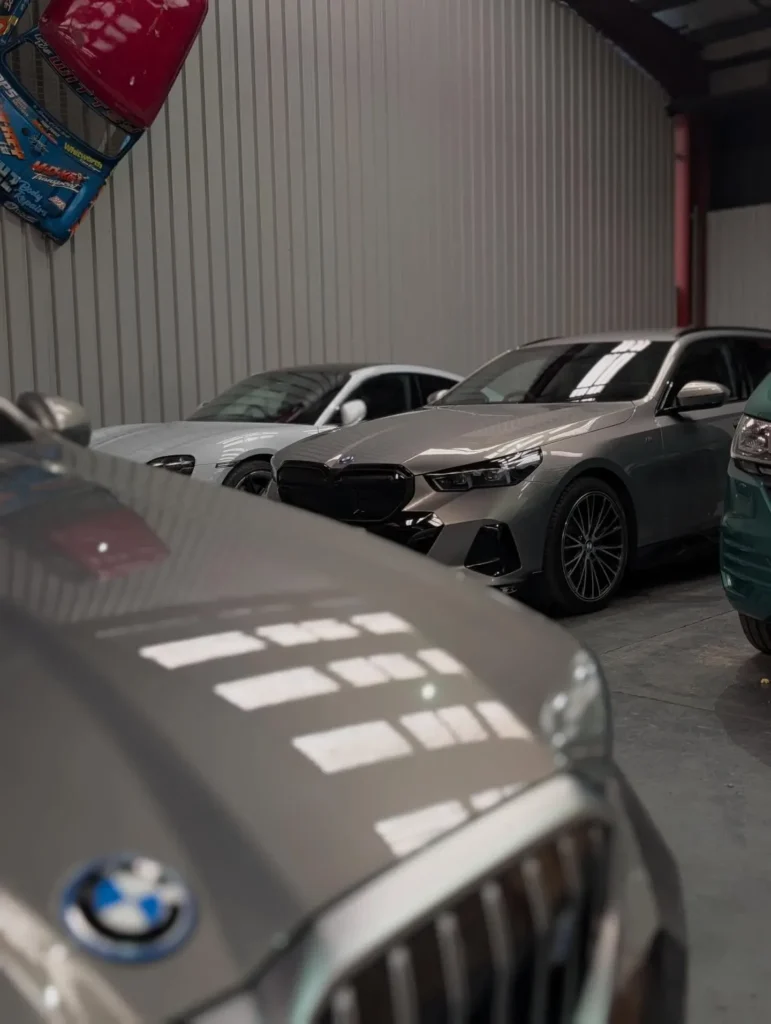
Sandbach has more classic and sports car owners per square mile than most towns in Cheshire. Drive past Sandbach Crosses on a sunny Saturday and you’ll see Healeys, E-Types, MX-5s, vintage Porsches and the occasional V12 making the most of the back lanes around Brereton, Hassall Green and Wheelock.
What Sandbach doesn’t have is a long list of facilities that look after those cars properly when they’re not on the road. There are options — Wizard Sports & Classics is local, KTL is nearby, Apex offers self-storage in Congleton, and several Manchester-based specialists serve the area — but the quality varies enormously, and the marketing language doesn’t always match what’s actually behind the door.
This is a practical checklist for Sandbach owners deciding where to store a classic, sports or prestige car. Use it to compare facilities side by side, ask the right questions, and avoid the common mistakes that turn a “great deal” into a costly one.
Why This Checklist Matters
Most car storage problems aren’t visible on day one. They show up six months in — when you collect the car and the battery is dead, the brake discs are pitted, the leather smells musty, and the tyres have flat-spotted. By that point, the facility has had your money for half a year and you have a repair bill.
The questions below are designed to surface those problems before you sign anything. They’re the same questions we’d ask if we were storing our own car somewhere new.
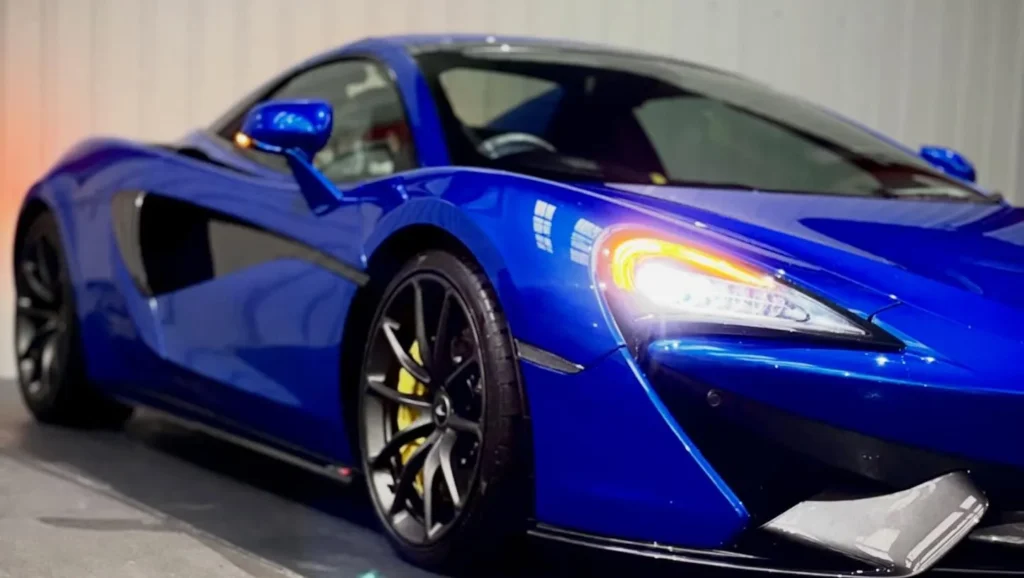
The 9 Checks Every Sandbach Owner Should Make
1. Is the Facility Genuinely Dehumidified — Or Just “Indoor”?
This is the single most important question, and the one most facilities are vaguest about. “Indoor storage” can mean a sealed, climate-controlled room held at 50% relative humidity — or it can mean a corner of a metal-clad farm building with no environmental control at all.
What to ask:
- “What humidity range do you hold the building at?”
- “How is humidity monitored, and how often?”
- “What dehumidification equipment is installed?”
A confident, specific answer is a good sign. Vague reassurances (“it’s indoor, so it’s dry”) usually mean there’s no active control. Cheshire’s wet, mild winters will quietly damage a car kept in an unconditioned building, even one that looks dry.
2. Are Vehicles Checked Daily?
CCTV is not the same as monitoring. A camera will record a thief, but it won’t notice that your hydraulic fluid is weeping, your battery has dropped below 12V, or there’s a slow puncture in your nearside rear.
What to ask:
- “Does someone physically check each vehicle every day?”
- “What do those daily checks include?”
- “Will I be notified if something is found?”
Daily walk-rounds are how small problems get caught before they become expensive ones.
3. What Pre-Storage Process Do They Run?

A reputable facility will put your car through a documented routine before it goes into long-term storage. This isn’t optional polish — it’s how the car comes out in the same condition it went in.
A solid pre-storage process should include:
- Photographing condition (panel by panel)
- Tagging keys and recording vehicle ID
- Protecting the interior
- A careful wash and full air-dry
- Increasing tyre pressures to prevent flat-spotting
- Battery and fluid checks
- Brake disc cleaning
This is the 8-step process Pitstop 66 runs on every vehicle, and it’s a useful benchmark when comparing facilities. If a facility can’t tell you what they do before your car is parked up, that’s a meaningful gap.
4. What Type of Cover Is Used?
Cheap waterproof “outdoor” covers trap moisture against paintwork and lift the clear coat off over time. Soft, breathable indoor covers protect against dust and minor contact without holding humidity against the car.
What to ask:
- “Is a breathable cover included with the premium packages?”
- “Is it custom-fit or generic?”
- “Is it stored on the car at all times when not being accessed?”
If you’d be supplying your own cover, that’s worth knowing — it’s a £150–£400 cost on top of the storage fee.
5. Is Battery Conditioning Included or Optional?
Modern cars draw a small but constant current even when off. Without conditioning, most batteries are flat in 4–8 weeks. Lithium batteries in newer hybrid and electric performance vehicles can be permanently damaged by deep discharge.
What to ask:
- “Is an automatic battery conditioner fitted to every vehicle?”
- “Is it included in the price or charged separately?”
A facility that doesn’t include conditioning is fine for a 2-week stay. For anything longer, it’s a problem.
6. Is There an On-Site Mechanic or Bodyshop?
Things come up. A car that’s been sitting for six months might need an oil change, a replacement battery, a new set of tyres or a small fix before it goes back on the road. Driving an unprepared classic 30 miles to your usual garage is exactly when problems happen.
What to ask:
- “Is there mechanical capability on-site?”
- “Can routine work be completed before collection?”
Pitstop 66 runs an on-site mechanics and bodyshop, which means most pre-collection work can be done where the car already is. Not every facility has this, and it makes a real practical difference.
7. What Are the Access Terms?
Some facilities require a week’s notice. Others want 48 hours. Some restrict access to weekday office hours; others allow weekend collection.
What to ask:
- “How much notice do I need to give to collect or visit my car?”
- “Are weekend collections possible?”
- “Is there a charge for short-notice access?”
If you take your classic out on summer weekends, weekday-only access is going to frustrate you fast.
8. Who Insures What?
This is where many owners get caught out. The facility insures the building and its general liability — but it almost never insures your vehicle.
What to ask:
- “What does your insurance cover, and what does it exclude?”
- “Do I need a separate laid-up policy?”
Most classic and prestige insurers offer “laid-up” cover that’s significantly cheaper than full road insurance and protects the car while it’s stored. Confirm what’s required before you sign.
9. Can They Collect from Sandbach, or Do You Drive It?
Sandbach is well-served by junction 17 of the M6, which means most North-West specialist facilities are within 30–60 minutes. Driving a classic on the motorway in winter — to a facility you’ve never been to — isn’t ideal.
What to ask:
- “Do you offer covered vehicle collection from Sandbach?”
- “Is collection included or charged separately?”
- “What’s the lead time for booking collection?”
A serious specialist will collect from any Sandbach postcode (including Wheelock, Elworth, Ettiley Heath, and surrounding villages like Brereton Green and Hassall) and return the car on the day you need it back. That removes most of the friction of using a facility outside your immediate town.
How to Use This Checklist
When you’re comparing two or three facilities, score each one out of 9 against the questions above. Anything below 6/9 is worth asking hard questions about — particularly if it’s the items on dehumidification, battery conditioning, and daily checks that are missing.
The right facility for a daily-driven hot hatch you’re storing for 8 weeks while you’re abroad is not the same as the right facility for a £150,000 air-cooled 911 going into a winter hibernation. Match the level of care to the value of the car and how long it’ll be there.
Why Sandbach Owners Choose Pitstop 66
Pitstop 66’s facility is in Stalybridge (SK15 1PZ), roughly 35–40 minutes from Sandbach via the M6 and M60. We chose this guide format deliberately because it’s the same checklist we’d hand any owner thinking about specialist storage — including ones who decide a different facility is right for them.
For Sandbach owners who do choose us, the offer is straightforward: a humidity-controlled facility, a documented 8-step pre-storage process, daily checks by an enthusiast-led team, automatic battery conditioning on every car, breathable indoor covers, on-site mechanics and bodyshop, and covered collection from any CW11 address — included on long-term plans.
You can enquire about car storage near Sandbach here, or call us on 0161 464 7494 to talk through your specific car and how long you’ll be storing it. We’ll give you straight answers — including how we score on the nine checks above.
FAQs — Classic & Sports Car Storage in Sandbach
Where is the nearest specialist car storage to Sandbach?
Sandbach has a small number of local specialist options, with several more within 30–45 minutes by motorway. Wizard Sports & Classics is based in the Sandbach area for classic vehicles. KTL Sports Prestige & Classics serves Cheshire as a whole. Pitstop 66 is in Stalybridge and offers covered collection from Sandbach. Apex Self Storage in Congleton offers self-storage units, but these aren’t suitable for classic or prestige vehicles in long-term storage — see our guide on self-storage vs specialist car storage in Congleton for the differences.
What’s the difference between car storage and self-storage in Cheshire?
Self-storage gives you a locked unit with CCTV. Specialist car storage gives you a humidity-controlled environment, daily vehicle checks, breathable covers, automatic battery conditioning, and a documented pre-storage process. For classic, prestige and rarely-driven cars, the difference matters — particularly in Cheshire’s damp winter climate.
How much does classic car storage near Sandbach cost?
Specialist storage in the area typically ranges from around £150 to £600+ per month depending on facility quality, vehicle size, and the level of care included. Self-storage units are cheaper but don’t include any of the vehicle-specific care (humidity, battery, covers, checks) that classic cars need. See Pitstop 66’s locations and pricing for current rates.
Can I get my car collected from Sandbach?
Yes — most specialist facilities offer covered vehicle collection. Pitstop 66 collects from any postcode in Sandbach, including Wheelock, Elworth, Ettiley Heath, and surrounding villages, and returns the car on the day you need it back. Collection is included on long-term plans.
Is humidity-controlled storage really necessary for a classic car?
For long-term storage in Cheshire’s climate, yes. Cheshire winters are damp, and overnight humidity inside an unheated building regularly exceeds 70% — high enough for condensation to form on cold metal, leather to develop mould, and brake discs to corrode. Holding humidity at 45–55% prevents almost all of these problems. For very short stays (a few weeks) it’s less critical.
What’s the minimum storage period?
This varies by facility. Some require 3–6 month minimums; others offer flexible monthly terms. Pitstop 66 offers monthly plans with no long-term contract — useful if your storage need might change.
Do I need separate insurance for my car while it’s in storage?
Most facilities insure the building and general liability, but not your vehicle. A “laid-up” insurance policy from your motor insurer is significantly cheaper than full road cover and protects the car while stored. Always confirm what cover the facility provides and what your policy needs to cover.
