

Where can I store my car? On a public road only if it is taxed, insured and, once it is 3 years old, MOT-tested; off the road, on a driveway, in a garage or in a storage facility, it can be declared SORN instead. Which place suits depends on how long the car is going away, what it is worth and whether anyone can check it.
This guide takes the rules first, then eight places to store a car, from free on your own drive to from £150 a month for specialist indoor storage, with how long each suits.
Table of Contents
Can I keep a car on the road while I am not using it?
Yes, if it stays taxed, insured and has a valid MOT. Let any one of those lapse and the car cannot legally stay on the road.
The penalties are set out on GOV.UK. An uninsured vehicle brings a £100 fine and can be clamped, impounded or destroyed, with a court fine of up to £1,000. Under DVLA’s enforcement policy, an untaxed car on the road can be clamped and removed to a pound.
The Highway Code adds two rules for a parked car. At night it must face the direction of traffic unless it is in a recognised parking space, and on a road with a speed limit over 30mph it must show parking lights.
The law is the easy part. A car left in one spot for months collects dents, tree sap and bird lime, its battery runs flat, and neighbours can report a car they think is abandoned to the council.
Where can I keep a SORN car?
Off a public road: in a garage, on a drive or on private land, which is how GOV.UK defines off the road. A SORN car can only be driven on a public road to or from a pre-booked MOT, and using it for anything else risks a fine of up to £2,500.
It does not need road tax or insurance while it stays declared SORN with DVLA, and it reaches storage on a trailer or with a collection service. The reverse also holds: a car with no SORN must be taxed and insured, even on your own drive, or DVLA fines the keeper £80 automatically.
Eight places to store a car
From the kerb outside your house to a building that holds only cars, here is what each place costs and what it does to the car.
On the street
Free, or the cost of a resident’s permit, for a car that stays taxed, insured and tested. It suits a car you drive at least every week or two. Left longer, the weather, the battery and passing traffic all take their toll.
Your own driveway
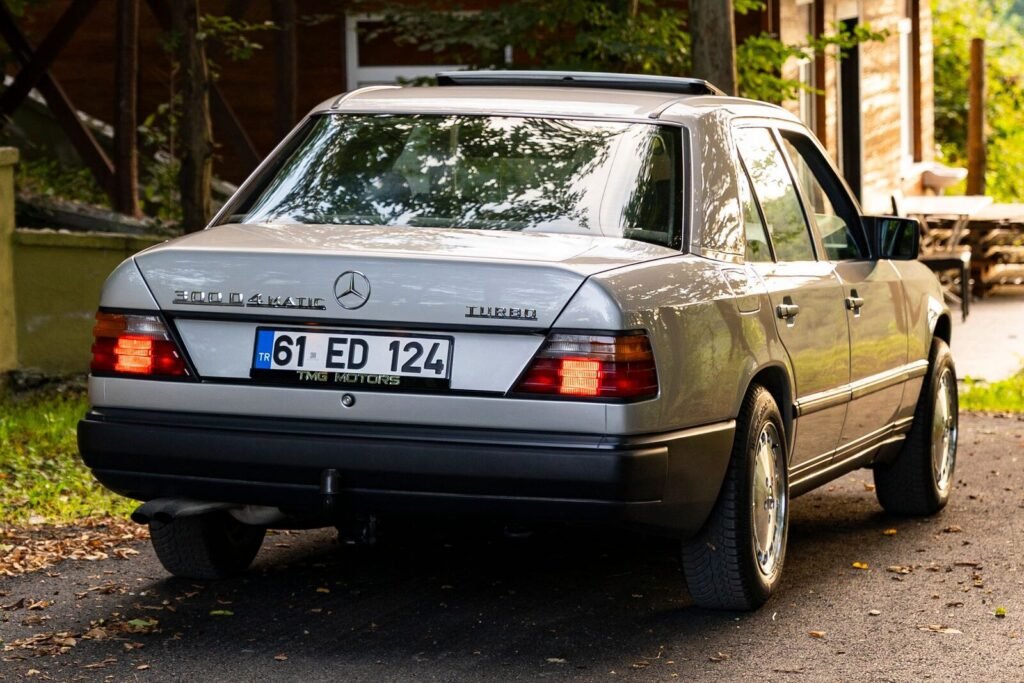
Free, and a SORN car can stay there legally, because a driveway is off the road. The car still sits in the weather: frost, rain and sun work on the paint, the rubber seals and the cabin. A breathable cover keeps dust off; a plastic sheet traps moisture against the paint and invites mould and mildew.
Your own garage
The best free option, if the car fits and the garage is dry. Research for the RAC Foundation found the average garage door is 2.1m wide, while the average popular car was 1.8m wide in 2020, which leaves about 15cm each side.
Many garages are full of something else. RAC research in 2021 estimated that 5.7 million of the UK’s 11 million garages are not used to park a car. A damp garage with no ventilation can be worse than the drive: when the temperature drops at night, condensation forms on the car and has nowhere to go.
Someone else’s driveway or garage
A friend’s or family member’s space works on the same rules: off the road the car can be SORN, on the road it must be taxed and insured. Agree who checks it and how often. The car stays your responsibility as the registered keeper named on the V5C.
A rented garage or lock-up

Council garages are usually the cheapest covered space you can rent. Sandwell Council charges £12.81 a week in 2026/27 for a garage 7ft wide and 15ft deep (2.13m by 4.57m), and Croydon’s average is £16 a week.
A 4.57m garage takes a VW Golf (4.28m) with 29cm to spare, but little that is bigger. Few lock-ups have power for a battery conditioner, and nobody checks the car between your visits.
A self-storage unit
Possible, if the site allows vehicles in writing and the unit is 10ft by 20ft. The SSA UK Annual Industry Report 2026 puts average revenue at £27.40 per sq ft a year before VAT, about £457 a month for 200 sq ft. Some operators insist the fuel is drained and the battery isolated before a car goes in.
An outdoor storage compound
A space in a fenced, gated yard, usually priced below indoor storage. It deals with security and with the SORN rule, because the yard is private land. It does nothing about the weather.
Specialist indoor car storage

A building that holds only cars and looks after them while they sit. At Pitstop 66 in Stalybridge, in Tameside, ten minutes from the M60, secure indoor storage costs from £150 a month and dehumidified storage, with the air held at 55% relative humidity, from £200 a month, both including VAT.
Every car goes through the 8-step pre-storage process and gets a daily visual check, behind a gated site with 24/7 CCTV and a monitored alarm. The minimum term is one month, then notice. We can collect and deliver a car from anywhere, as a charged service, which also solves the problem of a SORN car that cannot be driven.
Owners use it for a Porsche 911 laid up over winter, a classic MG or Jaguar on the dehumidified tier, or a Range Rover while they work abroad. See our car storage services for what is included and what is an add-on.
Call 0161 464 7494 or send us the details for a price on your car.
Which place suits how long you are storing the car?
A few weeks: the street or your driveway. A season: a dry garage, a lock-up or a storage facility. A year or more, or any classic or supercar: off the road, declared SORN, somewhere dry that someone checks.
| How long | Where | Sort out first |
|---|---|---|
| Up to a month | The street, if taxed, insured and tested, or your driveway | Keep the battery charged; a car that will not start is the usual result of a few idle weeks |
| One to six months | A dry garage, a lock-up, an outdoor compound or specialist storage | SORN or laid-up insurance, raised tyre pressures, a battery conditioner |
| Six months or more | Dry, covered storage where someone checks the car | SORN, a fuel stabiliser, a breathable cover and regular checks |
For a year or longer, see long term vehicle storage. For the five main options scored on cost, protection and access, see our guide to vehicle storage solutions.
Where should I store a car for 6 months?
Off the road, under cover and somewhere it can be checked, with the car declared SORN or on laid-up insurance. Storing a car for 6 months is long enough for damp, a flat battery and flat-spotted tyres to set in, so prepare it before it goes:
- Wash and dry it. Road salt and dirt keep working on paint and sills for as long as they sit there.
- Raise the tyre pressures. The same patch of each tyre carries the car’s weight for months.
- Sort the battery. Fit a battery conditioner or trickle charger, or disconnect the battery if there is no socket.
- Deal with the fuel. Brim the tank, ideally with E5 rather than E10, which carries more ethanol, and add a fuel stabiliser; an empty tank collects condensation.
- Leave the handbrake off. Chock the wheels instead, so the pads cannot rust onto the brake discs and leave you with a seized handbrake.
- Leave nothing edible inside. Rodents move into still cars and settle in the air box and the wiring.
Car storage questions
Where can I store my car for free?
On your own driveway or in your own garage, or in a friend’s with their agreement. Off the road the car can be declared SORN; on the road it must stay taxed and insured.
Where can I store my car cheaply?
A rented council garage is usually the cheapest covered space, from about £12 to £16 a week. Check the length first: many are 15ft (4.57m) deep.
Where can I store my car for a month?
Somewhere you can reach it: your driveway, a friend’s, or a storage facility with a one-month minimum. Pitstop 66 costs from £150 a month including VAT.
Can I keep an untaxed car on the street?
No. An untaxed car on a public road can be clamped and removed; declare it SORN and keep it off the road instead.
Do I need insurance on a stored car?
Not if it is declared SORN and kept off the road. Otherwise it must stay insured, even on your own drive.
How much does it cost to store a car?
From nothing on your own drive, to about £12 to £16 a week for a council garage, to from £150 a month including VAT for specialist indoor storage at Pitstop 66.
Rather store a car somewhere that checks it?
We prepare the car, check it every day and can collect it from anywhere. Storage at Pitstop 66 costs from £150 a month including VAT, with a one-month minimum, and owners bring cars from across Greater Manchester, Cheshire and the North West; see car storage in Manchester. Call 0161 464 7494, 08:00 to 16:00, Monday to Friday, or send us the details.
