
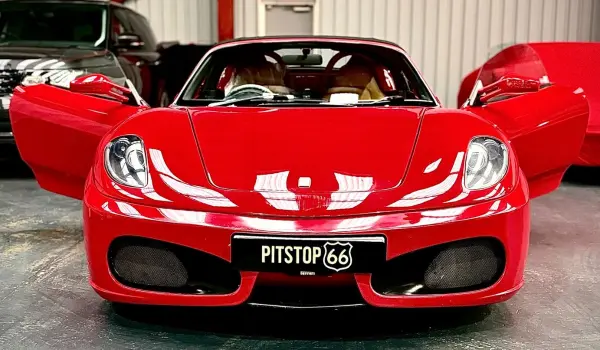
When a vehicle needs to be stored, whether for a few weeks, a full season, or longer, one question matters more than almost any other: should it be kept indoors or outdoors? Our dehumidified car storage in Stalybridge holds the air at 55% RH.
The decision between indoor vs outdoor car storage affects everything from paintwork condition and mechanical health to long-term resale value. And in the North West of England, where unpredictable weather is a year-round reality, the stakes are even higher.
This guide examines both options in detail, highlights the secure car storage benefits that indoor facilities provide, and explains why choosing the best car storage option isn’t just about convenience, it’s about protecting a serious investment.
What Outdoor Car Storage Actually Involves
Outdoor storage typically means a vehicle is parked in a fenced compound or hard-standing area, sometimes with a basic cover overhead. Security varies widely, from simple perimeter fencing to gated access with CCTV.
On the surface, outdoor storage appears to be the more affordable option. Monthly costs can start from as little as £35–£80. For vehicle owners watching their budget, that low headline figure is understandably appealing.
However, the true cost of outdoor storage often reveals itself over time.
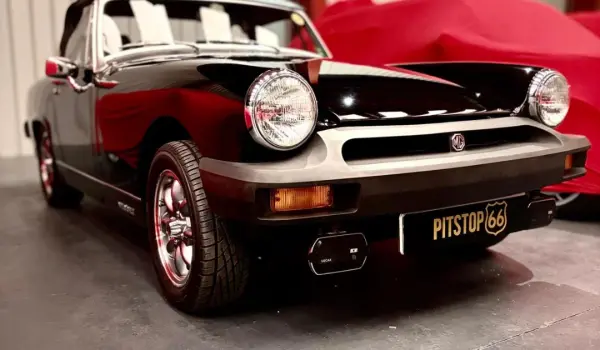
The Hidden Risks of Outdoor Storage
A vehicle left exposed to the elements faces a relentless assault, regardless of whether it’s parked under a canopy or out in the open. In the UK’s humidity, this means:
- Rain and moisture ingress that leads to rust, corrosion, and electrical faults
- UV damage from sunlight that fades paintwork and cracks rubber seals and trim
- Frost and freeze-thaw cycles that stress bodywork panels and weaken adhesives
- Bird droppings and tree sap that etch into paintwork if left unattended
- Rodent damage, mice and rats are drawn to engines and wiring looms during colder months
- Tyre degradation from prolonged contact with cold, damp concrete
For a daily driver that sees regular use, these risks may be manageable. But for a classic car, supercar, or any vehicle of significant value, outdoor storage introduces damage that is entirely avoidable.
As explored in our guide on how to care for the bodywork on your classic car, prevention is always more affordable than restoration.
What Indoor Car Storage Provides
Indoor car storage places a vehicle within a fully enclosed, purpose-built facility. At a premium level, this means a humidity-controlled environment with monitored temperature, advanced security systems, and hands-on vehicle care.
The difference is not simply “under a roof.” It’s a fundamentally different approach to vehicle preservation.
The Core Benefits of Secure Indoor Car Storage
Complete Weather Protection
Rain, frost, snow, and UV exposure are eliminated entirely. The vehicle’s paintwork, seals, trim, and undercarriage are shielded from every environmental threat that the UK humidity can deliver.
Humidity and humidity Control
Moisture is the single greatest enemy of stored vehicles. Uncontrolled humidity causes condensation, which leads to rust, mould growth on leather interiors, and corrosion of brake discs and mechanical components. A properly managed facility maintains humidity at optimal levels, typically below 60% relative humidity, preventing these issues entirely.
Enhanced Security
Premium indoor facilities offer layered security far beyond a perimeter fence. At Pitstop 66, for example, 24/7 CCTV monitoring, alarm systems, and controlled access ensure that every stored vehicle is safeguarded around the clock. Daily visual checks provides additional reassurance.
Active Vehicle Care
This is where indoor storage from a specialist provider truly separates itself. Rather than simply parking a vehicle and leaving it untouched, facilities like Pitstop 66 carry out daily visual checks, maintain automatic battery conditioners on every vehicle, and provide soft breathable indoor covers as standard.
That level of ongoing attention is explored in detail in our article on whether a classic car will deteriorate during long-term storage. The short answer: not when it’s stored properly.
Indoor vs Outdoor Car Storage: A Direct Comparison
The following table provides a clear side-by-side comparison of what each option delivers:

| Factor | Outdoor Storage | Indoor Storage (Premium) |
| Weather Protection | None, fully exposed | Complete, enclosed and humidity-controlled |
| Humidity Control | None | Maintained below 60% RH |
| Security | Basic fencing, limited CCTV | 24/7 CCTV, alarms, restricted access |
| Battery Care | Not included | Automatic conditioners fitted on the premium packages |
| Tyre Protection | None, risk of flat-spotting | Pressures increased pre-storage |
| Paintwork Risk | High, UV, rain, sap, droppings | Minimal, covered and enclosed |
| Pest Risk | Significant, rodents, birds | Eliminated in sealed facility |
| Typical Monthly Cost | £35–£80 | £150–£300+ |
| Best Suited For | Short-term, daily-use vehicles | Classic, prestige, luxury, and long-term storage |
The comparison speaks for itself. For any vehicle that is treasured, valuable, or irreplaceable, indoor storage is not a luxury, it’s the best car storage option available.
Who Should Choose Indoor Car Storage?
Indoor storage is the recommended choice for a wide range of vehicle owners and scenarios. In particular, it is essential for:
- Owners of classic and vintage cars, vehicles where originality, patina, and mechanical integrity must be preserved
- Supercar and luxury vehicle owners, Ferraris, Porsches, Lamborghinis, Bentleys, Aston Martins, and McLarens all benefit from humidity-controlled environments
- Seasonal storage, convertibles, track cars, and weekend vehicles that sit unused for months at a time
- Extended travel, owners heading abroad for weeks or months who need guaranteed protection in their absence
- Collectors and investors, where vehicle condition directly impacts financial value
- Motorbike owners, two-wheeled vehicles are equally vulnerable to moisture, corrosion, and flat batteries
Pitstop 66 provides specialist storage for all of these categories, including dedicated classic car storage, luxury and supercar storage, and motorbike storage.
What Happens When a Vehicle Arrives at Pitstop 66
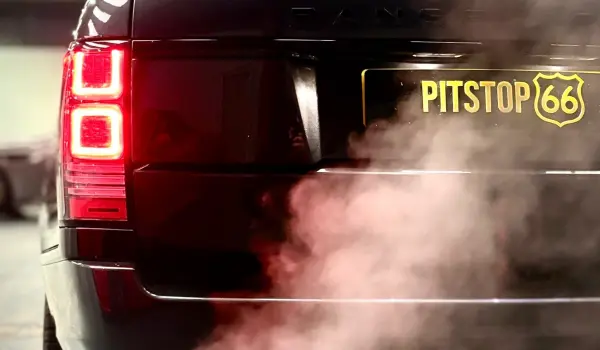
Choosing indoor storage is only part of the equation. What happens after the vehicle arrives is equally important.
At Pitstop 66, every vehicle undergoes a careful 8-step pre-storage process before being placed in its dedicated bay:
- The vehicle’s condition is photographed and documented on arrival
- Keys are tagged, labelled, and stored securely
- Interiors are protected with covers and mats
- The exterior receives a thorough, careful wash
- The vehicle is air-dried to prevent trapped moisture
- Tyre pressures are increased to guard against flat-spotting
- Battery conditioners are connected and monitored
- Fluids are checked and brake discs are cleaned to prevent corrosion
This process reflects the kind of care that only an enthusiast-owned facility delivers. For further detail on preparation, read our guide on how to prepare your classic car for winter storage.
Looking for proven, premium indoor car storage in the North West? Enquire today or call 0161 464 7494 to reserve your space.
Indoor Car Storage for Littleborough, Heywood, and Middleton
For vehicle owners in Littleborough, Heywood, and Middleton, the Pitstop 66 facility in Stalybridge is approximately 20 minutes away via the M60 or M62. That proximity provides a convenient, accessible solution without the inflated costs associated with city-centre Manchester locations.
The facility also serves owners across Oldham, Bolton, Salford, Trafford, and Cheshire offering premium indoor storage at competitive North West pricing.
Full details on packages and pricing are available on the locations and pricing page.
The True Cost of Choosing Outdoor Storage
It’s worth putting numbers to the risk. Consider what happens when a vehicle spends just one winter season in outdoor or unprotected storage:
- Brake disc corrosion requiring machining or replacement: £200–£600+
- Battery failure and replacement: £100–£300
- Paintwork correction from UV and environmental damage: £300–£1,000+
- Mould removal from leather interiors: £150–£500
- Tyre replacement due to flat-spotting: £400–£1,200+ (performance tyres)
Any single one of these repairs can exceed an entire year’s difference between outdoor and indoor storage fees. For owners of classic or high-value vehicles, the mathematics are unambiguous.
Investing in professional car storage is not an expense. It’s a safeguard against far greater costs down the line.
Why Pitstop 66 Is the Best Car Storage Option in the North West
Pitstop 66 was built by enthusiasts, for enthusiasts. The team doesn’t simply store vehicles, they genuinely care for them.
Every storage package includes:
- Humidity-controlled indoor environment
- Full 8-step pre-storage preparation
- Soft breathable indoor cover, included with the premium packages
- Automatic battery conditioners on every vehicle
- 24/7 CCTV monitoring and alarm systems
- Daily visual checks on every vehicle
- Daily visual inspections
- Access to on-site mechanics and bodyshop
On top of this, valeting and detailing services ensure vehicles are returned in the condition you left it. And for owners who cannot travel to the facility, vehicle logistics and transport support are available.For a full overview of the facility’s approach and philosophy, visit the Why Choose Us page.
Frequently Asked Questions
Is indoor car storage really worth the extra cost?
For any vehicle of significant financial or sentimental value, yes. The cost of repairing damage caused by outdoor exposure, rust, paint deterioration, mould, flat-spotted tyres, corroded brakes, far exceeds the price difference between indoor and outdoor storage. Prevention is always cheaper than repair.
What is the best car storage option for a classic car?
Humidity-controlled indoor storage with active vehicle care is the gold standard. Classic vehicles are particularly vulnerable to moisture, temperature fluctuations, and rodent damage. A specialist facility like Pitstop 66’s classic car storage provides the tailored environment these vehicles require.
What are the main secure car storage benefits?
Secure indoor storage provides weather protection, humidity control, 24/7 monitored security, daily visual checks, battery conditioning, tyre preservation, and daily visual checks. Together, these measures prevent deterioration, protect against theft, and maintain the vehicle’s condition and value.
How far is Pitstop 66 from Littleborough, Heywood, and Middleton?
The Stalybridge facility is approximately 20 minutes by car from all three areas, with straightforward access via the M60 and M62 motorways.
Can I store a supercar, motorbike, or prestige vehicle?
Absolutely. Pitstop 66 accommodates everything from luxury supercars and prestige vehicles to motorbikes. Each vehicle type receives care appropriate to its specific needs.
Is my car insured while stored at Pitstop 66?
Cover is arranged by the owner: your car stays on your own policy while it is with us, and many insurers offer reduced laid-up cover for a car in secure storage. We provide documentation of the building security (locked, alarmed, CCTV-monitored, controlled access) for your insurer on request.
Final Thoughts: Protection Is Always the Better Investment
The debate between indoor vs outdoor car storage ultimately comes down to a simple question: what is the vehicle worth, and what would it cost to repair damage that could have been prevented?
Outdoor storage has its place for short-term needs and everyday vehicles. But for classic cars, supercars, prestige vehicles, motorbikes, and any vehicle worth keeping, indoor storage is not a choice. It’s a necessity.
For owners across Littleborough, Heywood, Middleton, and the wider Greater Manchester area, Pitstop 66 in Stalybridge provides exactly what a vehicle deserves: a trusted, purpose-built, enthusiast-run facility where every detail is taken seriously.
Protect your vehicle the right way. Get in touch today to reserve your space, or call 0161 464 7494 for a no-obligation conversation about your storage needs.
