

A prestige car inspection on the day a car arrives is the least glamorous part of storage and the part owners thank us for months later.
It exists to answer one question: what condition was this car in when it came through the door? Without a dated answer, every mark found at collection becomes a matter of opinion.
Here is what we record, why each item is on the list, and what the record is worth when the car is eventually sold, claimed on, or inherited.
Why a Prestige Car Inspection Matters More Than It Sounds
Cars in storage do not usually get damaged. When something does happen, it is almost never witnessed, and the argument that follows is about timing rather than fact.
A dated photograph set ends that argument in both directions. It protects the owner against a facility that shrugs, and it protects the facility against a mark that arrived with the car.
The record also outlives the storage period. A buyer three years from now wants evidence, not reassurance, and a dated condition file is evidence.
The Nine Checks
Elliot works through the same list on every arrival, from a Fiesta to a Ferrari. The order rarely changes because the order is what stops things being missed.
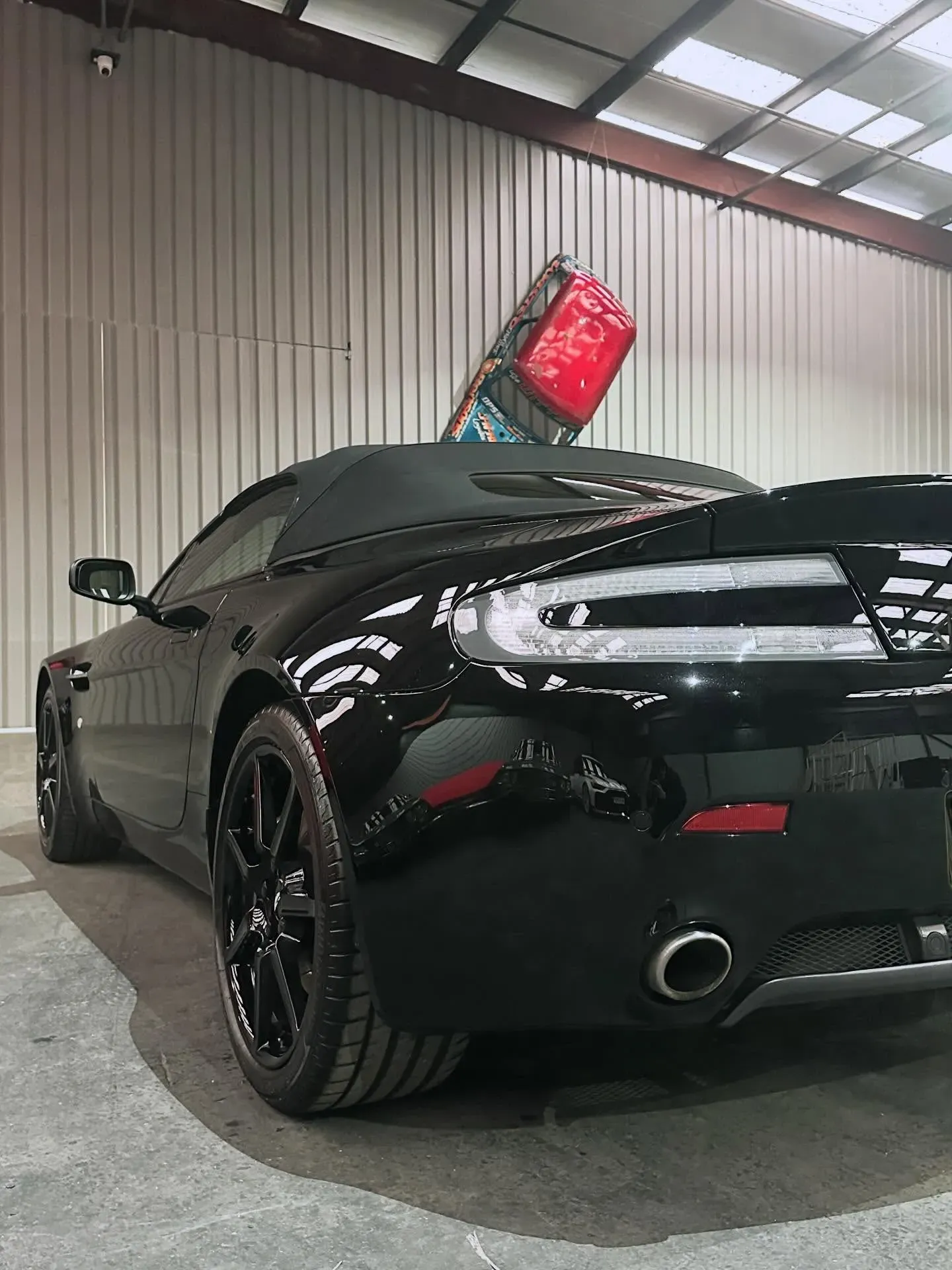
- Photographs before the car is touched. Taken where it stands, including the underside where access allows. A wash first would hide exactly what the record is for.
- Panel by panel walk. Stone chips, scuffs, kerbing, and any existing paint repair noted by location rather than described loosely.
- Glass and lights. Chips in a screen spread in cold weather, so a 5mm chip in November is worth recording.
- Wheels and tyres. Kerb damage photographed, tread measured, and the date code on each tyre written down. Tyres age whether or not they turn.
- Interior. Leather condition, bolster wear, headlining, carpets, and anything left in the car.
- Mileage. Photographed on the instrument cluster rather than written on a form.
- Keys and vehicle identity. Every key tagged and logged against the VIN, not against a surname.
- Fluids and battery. Levels and condition, because these are the two things that change on their own while a car stands still.
- Anything already wrong. A weeping shock, a soft tyre, a warning light. Recorded on arrival so nobody has to guess later whether storage caused it.
What Happens to the Record
It stays with the car for the whole stay and it does not get thrown away when the car leaves. Darrel builds and runs the system that holds it.
Daily visual checks are logged against the same file, so the history is continuous rather than a snapshot at each end. If a tyre softens in week three, the record shows week three.
Owners can ask for the file at any point. Most ask for it twice: once out of curiosity in the first month, and once when they decide to sell.
Where the Record Earns Its Keep
At sale. A continuous condition history closes the gap in a car’s story that a buyer would otherwise discount. More on that in our piece on provenance and resale value.
With a broker. Where a vehicle is kept and how it is supervised are material facts, and a written description carries more weight than a phone call.
In probate. The eventual seller often never drove the car. A dated file is the only thing standing between a considered valuation and a guess.
After work. If the car goes to a specialist mid-stay, the before and after records sit in the same place. The V5C stays with the keeper throughout, as it should.
Questions Worth Asking Any Facility
Most places say they photograph cars. Fewer can say what happens next.
Ask whether photographs are taken before the wash or after it, because after is decorative. Ask how many images, and whether the underside is included. Ask how long the file is kept once the car leaves.
Ask whether daily checks are logged or just performed. A check nobody writes down cannot be produced later, which makes it a habit rather than a record. Our list of questions to ask any storage facility covers the rest.
What It Costs
Nothing extra. The inspection is step one of the eight-stage intake and sits inside the storage price, which starts at £150 a month including VAT for the first three months, then £165.
The humidity-controlled bay is £200, then £225. Covers and battery conditioners are add-ons. Minimum stay is one month. Full figures are on the locations and pricing page.
What the Daily Check Adds
The arrival inspection is a single point in time. On its own it proves what the car looked like on one day and nothing about the months in between.
The daily visual check fills that gap. Somebody walks the building and looks at every vehicle in it, every working day, and anything that has changed gets logged against the file.
Most days there is nothing to write. The value sits in the days when there is: a cover that has slipped, a tyre down ten psi, a damp patch on the floor under the gearbox.
Caught in a week, each of those is a five minute job. Caught at collection eight months later, the same three faults are a set of tyres, a paint correction and a gearbox seal.
How Pitstop 66 Can Help
Every car that comes into the building is photographed, logged and looked at daily. The facility in Stalybridge is purpose-built and privately owned, with 24/7 CCTV and alarm monitoring and controlled access.
Prestige and performance cars are handled through prestige car storage in Manchester and luxury and supercar storage. Owners reach us easily from Cheshire and Trafford.
To see the intake process before you commit a car to it, arrange a visit here or call 0161 464 7494.
Also worth reading: the records that carry a collector car, selling a car straight out of storage and what an underwriter asks about where a car is kept.
Key Takeaways
- A prestige car inspection is about dating condition, not admiring the car.
- Photographs are taken before the wash. After the wash they prove nothing.
- Tyre date codes and mileage matter as much as paintwork.
- Daily checks are logged, so the history is continuous rather than two snapshots.
- The file is worth most at sale and in probate, years after the storage ends.
What is a prestige car inspection?
A dated record of the vehicleu0026rsquo;s condition taken the moment it arrives: photographs before anything is touched, a panel-by-panel walk, glass, wheels, tyre date codes, interior, mileage, keys, fluids and any existing fault.
Are photographs taken before or after the wash?
Before. A washed car hides exactly the marks the record exists to capture, so photographs come first and the wash follows.
How long do you keep the record?
It stays with the vehicle for the whole stay and is kept afterwards. Owners most often ask for it when they come to sell, sometimes years later.
Do you record the mileage?
Yes, photographed on the cluster rather than written on a form, so there is no transcription to dispute.
Why record tyre date codes?
Tyres age whether or not they turn. A set that was five years old going in is eight years old coming out of a three-year stay, and the date code is the only honest way to show that.
Does the inspection cost extra?
No. It is the first of the eight stages every arriving car goes through and it is included in the storage price.
